IMC Logo
×
Corporate Structures in the UAE: Protecting Global Wealth

This is How Corporate Structures in the UAE are Protecting Global Wealth

Follow Us

Share

Share on facebook
Share on twitter
Share on linkedin
Share on email

Summary:

In an era of constant global disruption, businesses are shifting focus from where to invest to how to structure their assets for long-term resilience. By utilizing tools like Special Purpose Vehicles (SPVs), holding companies, and foundations in the UAE, firms can effectively ring-fence risks and ensure operational continuity. The UAE stands out as a premier hub due to its flexible legal frameworks (such as ADGM and DIFC) and alignment with international compliance standards, making professional advisory essential for navigating these complex strategic setups.

If the last couple of decades have taught businesses anything, companies must have learned that stability is no longer guaranteed. From financial crises to pandemic shocks to ongoing geopolitical tension, disruption is not an exception anymore. It is the baseline.

For investors and companies operating across borders, the question now is how to structure their investments, and not just where to invest. This shift is exactly why the UAE has been drawing serious attention. It’s not just a market for growth, but a place where businesses can build structures that are designed to sustain when conditions change.

Uncertainty Is Now Part of the Operating Environment

Today, businesses are witnessing tighter regulatory expectations across various jurisdictions. These include:

  • Transparency in tax filing
  • Reporting requirements
  • Cross-border disclosures

At the same time, the corporate tax framework in the UAE has introduced a new layer of planning for businesses. In the past, these operations used to take place in simpler environments.

Global capital movement has further added to the challenges. Today, money moves faster, but the risks are also higher. Businesses tend to build exposure without the right structure.

Currently, the limitations of traditional structures that consider only speed or cost as the goals, are clearly visible. Currently, businesses need structures that can absorb sudden shocks while remaining on the growth trajectory.

Why Structure Is Becoming a Strategic Decision

Today, a clear shift is visible in how companies think about structuring. Previously, the priority was mainly on ownership and the speed of setting up the structure. However, the focus has shifted to control, protection, and long-term clarity.

This is where Special Purpose Vehicles come into play. Instead of holding multiple assets under one entity, businesses are breaking things out. It’s more about one asset, one structure. That separation is not just administrative, but also strategic.

If one part of the business faces risk, it does not automatically spill into the rest of the portfolio. That is one of the key reasons why SPVs are used in global business structuring. They create clean boundaries. When markets are uncertain, boundaries matter.

Ring-Fencing Risk Without Slowing Down Growth

When businesses use Special Purpose Vehicles the right way, they manage to isolate risk to a significant extent. However, this does not rob them of their operational flexibility.

Let’s take a simple example. A company managing real estate, intellectual property, and operating revenue streams can house each of these in separate SPVs. If a liability arises in one area, the others remain insulated.

This not only increases protection, but also enhances clarity. Everybody, including investors, lenders, and stakeholders, can get a transparent overview of how assets are structured and where they are exposed.

Clear legal frameworks and international standards further strengthen these structures in jurisdictions like DIFC, ADGM, and RAK ICC. This further improves confidence for businesses, particularly those engaged in cross-border operations.

Building Layers of Protection Beyond SPVs

SPVs are just one piece of the puzzle. The real strength comes from how they are combined with other structures.

Holding companies, for instance, allow businesses to centralize ownership while still maintaining separation at the asset level. This makes it easier to manage diverse investments without merging risk.

Then there are foundations. These are less about operations and more about continuity.

For family businesses and long-term investors, foundations provide a viable way to separate personal ownership from asset control. They also bring structure to succession planning, which is often where things become complicated.

Together, these layers create something that is often overlooked in business planning. It’s stability that is built into the structure itself.

Why the UAE Continues to Stand Out

Globally, plenty of jurisdictions offer tax advantages today. That is no longer the differentiator. The UAE appeals to businesses with its flexibility and regulatory norms. Today, companies have the option to choose between different legal systems based on what they need. Some of the common legal frameworks are the DIFC and ADGM. Along with these, organizations also have offshore-style jurisdictions like RAK ICC. This flexibility allows organizations to design structures that actually match their business model.
Aspect Details
Tax Advantages No longer the sole differentiator — many global jurisdictions now offer similar benefits
Key Appeal Flexibility in legal frameworks and regulatory norms
Legal Framework Options
  • DIFC (Dubai International Financial Centre)
  • ADGM (Abu Dhabi Global Markets)
  • RAK ICC (offshore-style jurisdiction)
Structural Flexibility Companies can choose frameworks that match their specific business model
Global Compliance Closely aligned with international compliance standards
Overall Advantage Balance between flexibility and credibility makes structures viable for global operations
The UAE is closely aligned with global compliance standards. The balance between flexibility and credibility makes these structures viable for global operations.

Seek Professional Advisory Solutions from Experts

It takes more than just legal knowledge to set up the most appropriate structure. It calls for alignment across tax, compliance, operations, and long-term planning.

This is where established advisory teams like IMC can streamline the process. These professionals help entities comply with regulations and make sure that the structure actually reflects how the business operates and where it is headed. Businesses must consult the experts to embrace a sustainable structure that remains resilient in uncertain times.

Author Bio:
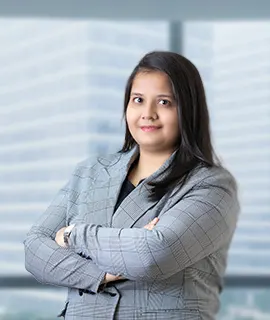
Akansha
Akansha Agarwal is a specialist in corporate law and secretarial practice, focusing on aligning rigorous compliance with sustainable business growth. With deep expertise in FEMA, RBI regulations, and due diligence, she excels at translating complex governance requirements into clear, actionable strategies. Her precise approach enables organizations to navigate evolving legal landscapes without compromising their operational momentum.

Expand your business faster with our Global Capability Center

Global Entity Management is more than compliance

Let’s build the full structure right

Don’t rely on assumptions

Conduct Due Diligence across HR, financial, and operational areas.

Your Vision, Our Mission.
Let's Discuss.

WhatsApp Icon
IMC Logo IMC Group
WhatsApp Icon Start Chat